Buy fullyfashionednylons.eu ?
We are moving the project
fullyfashionednylons.eu .
Are you interested in purchasing the domain
fullyfashionednylons.eu ?
domain@kv-gmbh.de · 0541-91531010
Buy fullyfashionednylons.eu ?
How do you heat PTC?
PTC (Positive Temperature Coefficient) heating elements can be heated by passing an electric current through them. When an electric current is applied, the resistance of the PTC material increases, causing it to heat up. This self-regulating property makes PTC heating elements efficient and safe for various applications such as heating pads, automotive heaters, and hair dryers. The amount of heat produced can be controlled by adjusting the voltage or current supplied to the PTC element. **
What are six alternative options for PTC KTY11?
1. NTC thermistors: These are negative temperature coefficient thermistors that have a resistance that decreases as temperature increases. They can be used as an alternative to PTC KTY11 in temperature sensing applications. 2. RTD sensors: Resistance temperature detectors are another alternative to PTC KTY11. They are made of pure metals or metal alloys and their resistance changes with temperature. 3. Thermocouples: These are temperature sensors that consist of two different conductors that produce a voltage proportional to the temperature difference between the ends. They are commonly used in industrial and scientific applications. 4. Infrared sensors: These sensors detect temperature by measuring the infrared radiation emitted by an object. They can be used as an alternative to contact-based temperature sensors like PTC KTY11. 5. IC temperature sensors: Integrated circuit temperature sensors are small, low-cost sensors that can be used to measure temperature in electronic devices and systems. 6. Fiber optic sensors: These sensors use optical fibers to measure **

Similar search terms for Ptc
Top-Angebote
Products related to Ptc:
-
POWER TRUCK PTC-3072 AlternatorAlternator Charging Current [A]: 80; Voltage [V]: 24; Connector/Clamp: with connection for speed sensor; Exchange Part: ; Guarantee: 2 years guarantee; Pulleys: without belt pulley; Rotation Direction: Clockwise rotation, Anticlockwise rotation; Number of ribs: 1; Belt Pulley Ø [mm]: 71,7; Construction Year from: 01/2000, 04/1998, 09/1999, 02/1996; Construction Year to: 03/2001, 05/2000; Engine Code: MIDR06.23.56A/41, MIDR06.23.56B/41, MIDR06.24.65A/42, MIDR06.24.65B/42, MIDR06.24.65C/42, MIDR06.20.45E3, MIDR06.20.45E/41, MIDR06.20.45D/41, MIDR06.20.45B3, MIDR06.20.45C/4; Manufacturer Restriction: Paris Rhone172,99 £*Shipping: 1,99 £Secure redirect to the provider
-
POWER TRUCK PTC-3036 AlternatorUsed part return not required: ; Alternator Charging Current [A]: 90; New part without deposit: ; Pulleys: without belt pulley; Voltage [V]: 28; Construction Year to: 08/2002, 10/2001, 09/2004, 02/2002, 05/1999, 01/2000, 08/2001; Engine Code: DSC9.11, DSC9.13, DSC9.15, DC9.02, DSC9.12, DC11.01, DC11.03, DC11.02, DSC11.79, DSC12.02, DSC12.01, DSC12.05, DSC14.15, DSC14.13, DC12.01184,99 £*Shipping: 1,99 £Secure redirect to the provider


-
How does a PTC re-settable fuse work in electronics?
A PTC (positive temperature coefficient) re-settable fuse works by using a polymer material that has a high resistance at normal operating temperatures. When a high current or overcurrent condition occurs, the PTC fuse heats up and its resistance increases dramatically, effectively limiting the current flow and protecting the circuit. Once the overcurrent condition is removed, the PTC fuse cools down and its resistance decreases, allowing the circuit to function normally again. This self-resetting feature makes PTC fuses ideal for protecting electronic circuits from overcurrent events. **
-
Can someone answer this exam question about NTC and PTC resistors correctly?
Yes, someone can answer an exam question about NTC and PTC resistors correctly if they have a good understanding of the differences between the two types of resistors. NTC resistors have a negative temperature coefficient, meaning their resistance decreases as temperature increases, while PTC resistors have a positive temperature coefficient, causing their resistance to increase with temperature. By knowing these key differences and how they affect the behavior of the resistors in circuits, someone should be able to answer an exam question about NTC and PTC resistors accurately. **
-
What are examples of the use of PTC and NTC in everyday life?
PTC (Positive Temperature Coefficient) and NTC (Negative Temperature Coefficient) thermistors are commonly used in everyday life. PTC thermistors are used in devices such as hair dryers and electric heaters to provide overheat protection. When the temperature rises above a certain threshold, the resistance of the PTC thermistor increases, cutting off the current and preventing overheating. NTC thermistors are used in applications such as temperature sensors in thermostats, automotive engine temperature monitoring, and in electronic devices to measure and control temperature. Their resistance decreases as the temperature rises, allowing them to accurately sense and respond to changes in temperature. **
-
What type of hosiery do ladies prefer: stockings or nylon tights?
The preference for hosiery varies among women, but generally, stockings are considered more elegant and sexy, while nylon tights are seen as more practical and versatile. Stockings are often chosen for special occasions or to add a touch of glamour to an outfit, while nylon tights are favored for everyday wear due to their warmth and coverage. Ultimately, the choice between stockings and nylon tights depends on the individual's personal style and the specific occasion. **

What is vintage fashion?
Vintage fashion refers to clothing and accessories that are at least 20 years old and represent the style of a previous era. It often includes items from the 1920s to the 1990s, and can encompass a wide range of styles, from glamorous and elegant to funky and eclectic. Vintage fashion is prized for its unique and timeless appeal, as well as its sustainability and eco-friendly nature. It allows individuals to express their personal style and stand out from the crowd with one-of-a-kind pieces. **
What is a vintage retro app?
A vintage retro app is a mobile application that is designed to mimic the style and aesthetics of past eras, typically from the 1950s to the 1990s. These apps often feature nostalgic elements such as retro fonts, color schemes, and design elements to evoke a sense of nostalgia for a bygone era. Vintage retro apps are popular among users who appreciate retro aesthetics and want to incorporate them into their digital experiences. **
Top-Angebote
Products related to Ptc:
-
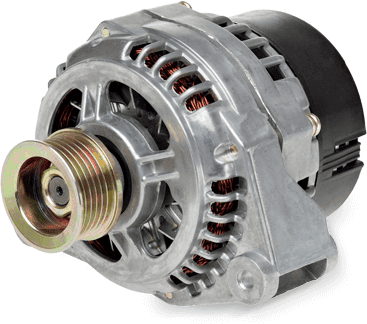
POWER TRUCK PTC-3087 AlternatorAlternator Charging Current [A]: 110; Weight [g]: 0; Vehicle Electrical System Design: for vehicles with 24-volt electrical system; Voltage [V]: 24; Current Strength [A]: 110; Pulleys: with belt pulley; Rotation Direction: Clockwise rotation; Number of ribs: 8; Belt Pulley Ø [mm]: 82148,99 £*Shipping: 1,99 £Secure redirect to the provider
-
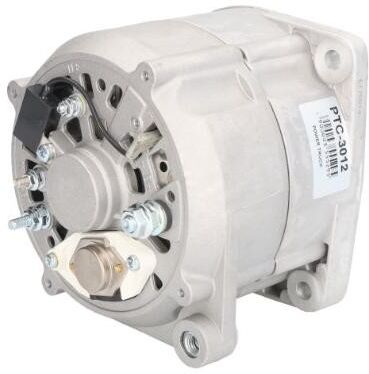
POWER TRUCK PTC-3012 AlternatorExchange Part: ; Rated Voltage [V]: 24; Alternator Charging Current [A]: 65; Fastening Type: Double Pivot Lever; Pulleys: without belt pulley; Recommended additional repairs: V-Belt/V-ribbed Belt; Construction Year to: 08/2002, 12/2005, 09/2004, 10/2001, 02/2002, 05/1999, 01/2000, 08/2001, 05/2004; usable for vehicles with alternator charging current [A]: 65; TecDoc Engine Number: 8855, 15411, 15412, 8853, 12608, 15415, 12772, 12768, 12870, 15418, 15408, 16495, 12769, 15413, 15416, 8893, 22369; Construction Year from: 03/1998, 05/1998, 09/1996, 01/1996, 04/1997, 09/1995, 02/1997, 02/2000, 09/2000, 04/2000, 08/1996, 02/1996, 03/1996, 04/1999, 09/2001; Clamp: - Isol. 31; Engine Code: DSC 9.15<Euro 2>, DSC 9.13<Euro 2>, DC 9.04<Euro 3>, DC 11.06<Euro 3>, DC 11.04<Euro 3>, DC 9.05<Euro 3>, DC 12.02<Euro 3>, DSC 11.74<Euro 1>, DC 16.02<Euro 3>, DC 16.01<Euro 3>193,99 £*Shipping: 1,99 £Secure redirect to the provider
-
POWER TRUCK PTC-3072 AlternatorAlternator Charging Current [A]: 80; Voltage [V]: 24; Connector/Clamp: with connection for speed sensor; Exchange Part: ; Guarantee: 2 years guarantee; Pulleys: without belt pulley; Rotation Direction: Clockwise rotation, Anticlockwise rotation; Number of ribs: 1; Belt Pulley Ø [mm]: 71,7; Construction Year from: 01/2000, 04/1998, 09/1999, 02/1996; Construction Year to: 03/2001, 05/2000; Engine Code: MIDR06.23.56A/41, MIDR06.23.56B/41, MIDR06.24.65A/42, MIDR06.24.65B/42, MIDR06.24.65C/42, MIDR06.20.45E3, MIDR06.20.45E/41, MIDR06.20.45D/41, MIDR06.20.45B3, MIDR06.20.45C/4; Manufacturer Restriction: Paris Rhone172,99 £*Shipping: 1,99 £Secure redirect to the provider
-
How do you heat PTC?
PTC (Positive Temperature Coefficient) heating elements can be heated by passing an electric current through them. When an electric current is applied, the resistance of the PTC material increases, causing it to heat up. This self-regulating property makes PTC heating elements efficient and safe for various applications such as heating pads, automotive heaters, and hair dryers. The amount of heat produced can be controlled by adjusting the voltage or current supplied to the PTC element. **
-
What are six alternative options for PTC KTY11?
1. NTC thermistors: These are negative temperature coefficient thermistors that have a resistance that decreases as temperature increases. They can be used as an alternative to PTC KTY11 in temperature sensing applications. 2. RTD sensors: Resistance temperature detectors are another alternative to PTC KTY11. They are made of pure metals or metal alloys and their resistance changes with temperature. 3. Thermocouples: These are temperature sensors that consist of two different conductors that produce a voltage proportional to the temperature difference between the ends. They are commonly used in industrial and scientific applications. 4. Infrared sensors: These sensors detect temperature by measuring the infrared radiation emitted by an object. They can be used as an alternative to contact-based temperature sensors like PTC KTY11. 5. IC temperature sensors: Integrated circuit temperature sensors are small, low-cost sensors that can be used to measure temperature in electronic devices and systems. 6. Fiber optic sensors: These sensors use optical fibers to measure **
-
How does a PTC re-settable fuse work in electronics?
A PTC (positive temperature coefficient) re-settable fuse works by using a polymer material that has a high resistance at normal operating temperatures. When a high current or overcurrent condition occurs, the PTC fuse heats up and its resistance increases dramatically, effectively limiting the current flow and protecting the circuit. Once the overcurrent condition is removed, the PTC fuse cools down and its resistance decreases, allowing the circuit to function normally again. This self-resetting feature makes PTC fuses ideal for protecting electronic circuits from overcurrent events. **
-
Can someone answer this exam question about NTC and PTC resistors correctly?
Yes, someone can answer an exam question about NTC and PTC resistors correctly if they have a good understanding of the differences between the two types of resistors. NTC resistors have a negative temperature coefficient, meaning their resistance decreases as temperature increases, while PTC resistors have a positive temperature coefficient, causing their resistance to increase with temperature. By knowing these key differences and how they affect the behavior of the resistors in circuits, someone should be able to answer an exam question about NTC and PTC resistors accurately. **
Similar search terms for Ptc
-
POWER TRUCK PTC-3036 AlternatorUsed part return not required: ; Alternator Charging Current [A]: 90; New part without deposit: ; Pulleys: without belt pulley; Voltage [V]: 28; Construction Year to: 08/2002, 10/2001, 09/2004, 02/2002, 05/1999, 01/2000, 08/2001; Engine Code: DSC9.11, DSC9.13, DSC9.15, DC9.02, DSC9.12, DC11.01, DC11.03, DC11.02, DSC11.79, DSC12.02, DSC12.01, DSC12.05, DSC14.15, DSC14.13, DC12.01184,99 £*Shipping: 1,99 £Secure redirect to the provider
-
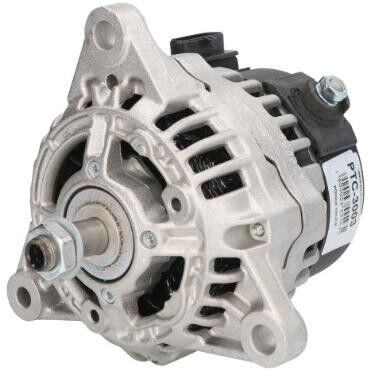
POWER TRUCK PTC-3003 AlternatorRated Voltage [V]: 24; Alternator Charging Current [A]: 55; Fastening Type: 3-point attachment; Pulleys: without belt pulley; Recommended additional repairs: V-Belt/V-ribbed Belt; Construction Year from: 07/2001, 06/1996, 10/2002, 09/2002, 09/2000, 11/1999, 06/2001, 06/2002, 06/2004, 01/2006, 08/1995, 01/2002, 06/2003, 01/2001, 07/1999, 01/2000; Construction Year to: 12/2006, 12/1995, 12/2001, 09/2001, 08/2001, 07/2001, 03/2004, 12/2005, 04/2007, 08/2002, 05/2004, 06/2003, 06/2005, 06/2002, 08/2004, 06/2006, 09/2006, 09/2002, 06/2004, 12/2004, 02/2008, 01/2006, 06/2007, 05/2010, 09/2003, 10/2003, 12/2003, 11/2003, 07/2005, 03/2005, 12/2002, 10/2006, 03/2001; usable for vehicles with alternator charging current [A]: 55; Gear Ratio: 1:4,00; TecDoc Engine Number: 15049, 15051, 16203, 16205, 6591, 16498, 16499, 16502, 16204, 15050, 15048, 16752, 16521, 14289, 16504, 16500, 16503, 16501, 14313, 16522, 16467, 14308, 14311, 14312, 7773, 17050, 7771, 16754, 19971, 16751; Vehicle type: <TG 460A D>, <TG 360A D>, <TG 360A DF>, <TG 510A DF>, <TG 310A DF>, <TGA 26.310 FD>, <M2000M>, <M2000M Evolution>, <LE 18.250B F, FL>, <FE 460A DF>, <26.464 DFL>, <26.464 FNL>, <26.464 FNLL>, <26.464 FVL>, <A69>, <A85>; Engine Code: D 0836 LOH03<Euro 3>, D 0836 LOH02<Euro 3>153,99 £*Shipping: 1,99 £Secure redirect to the provider
-
POWER TRUCK PTC-3014 AlternatorExchange Part: ; Alternator Charging Current [A]: 80; Voltage [V]: 28; Pulleys: without belt pulley; Engine Code: XF250M, XF280M, XF315M, PF183M, XE280C, XE315C, XE355C, XE390C, PE183C, PE228C, PE265C, XE250C, MX265, XF355M, PR228S, PR183S, PR265S; Construction Year from: 10/2001, 04/2007, 04/2001109,99 £*Shipping: 8,45 £Secure redirect to the provider
-
What are examples of the use of PTC and NTC in everyday life?
PTC (Positive Temperature Coefficient) and NTC (Negative Temperature Coefficient) thermistors are commonly used in everyday life. PTC thermistors are used in devices such as hair dryers and electric heaters to provide overheat protection. When the temperature rises above a certain threshold, the resistance of the PTC thermistor increases, cutting off the current and preventing overheating. NTC thermistors are used in applications such as temperature sensors in thermostats, automotive engine temperature monitoring, and in electronic devices to measure and control temperature. Their resistance decreases as the temperature rises, allowing them to accurately sense and respond to changes in temperature. **
-
What type of hosiery do ladies prefer: stockings or nylon tights?
The preference for hosiery varies among women, but generally, stockings are considered more elegant and sexy, while nylon tights are seen as more practical and versatile. Stockings are often chosen for special occasions or to add a touch of glamour to an outfit, while nylon tights are favored for everyday wear due to their warmth and coverage. Ultimately, the choice between stockings and nylon tights depends on the individual's personal style and the specific occasion. **
-
What is vintage fashion?
Vintage fashion refers to clothing and accessories that are at least 20 years old and represent the style of a previous era. It often includes items from the 1920s to the 1990s, and can encompass a wide range of styles, from glamorous and elegant to funky and eclectic. Vintage fashion is prized for its unique and timeless appeal, as well as its sustainability and eco-friendly nature. It allows individuals to express their personal style and stand out from the crowd with one-of-a-kind pieces. **
-
What is a vintage retro app?
A vintage retro app is a mobile application that is designed to mimic the style and aesthetics of past eras, typically from the 1950s to the 1990s. These apps often feature nostalgic elements such as retro fonts, color schemes, and design elements to evoke a sense of nostalgia for a bygone era. Vintage retro apps are popular among users who appreciate retro aesthetics and want to incorporate them into their digital experiences. **
* All prices are inclusive of VAT and, if applicable, plus shipping costs. The offer information is based on the details provided by the respective shop and is updated through automated processes. Real-time updates do not occur, so deviations can occur in individual cases. ** Note: Parts of this content were created by AI.