Buy fullyfashionednylons.eu ?
We are moving the project
fullyfashionednylons.eu .
Are you interested in purchasing the domain
fullyfashionednylons.eu ?
domain@kv-gmbh.de · 0541-91531010
Buy fullyfashionednylons.eu ?
Why should we eat fish?
Fish is a great source of lean protein, essential nutrients like omega-3 fatty acids, vitamins, and minerals. Omega-3 fatty acids are important for brain function, heart health, and reducing inflammation in the body. Eating fish regularly has been linked to a lower risk of heart disease, stroke, and certain chronic conditions. Additionally, fish is a versatile and delicious protein option that can be easily incorporated into a balanced diet. **
Why do we eat animals?
We eat animals for a variety of reasons, including cultural traditions, personal preferences, and nutritional needs. For many people, consuming animal products provides essential nutrients such as protein, iron, and B vitamins. Additionally, some individuals may choose to eat animals for the taste and texture of meat, while others may do so as part of their cultural or religious practices. Ultimately, the decision to eat animals is a personal choice influenced by a combination of factors. **


Similar search terms for Why-We-Eat-Too
Top-Angebote
Products related to Why-We-Eat-Too:
-
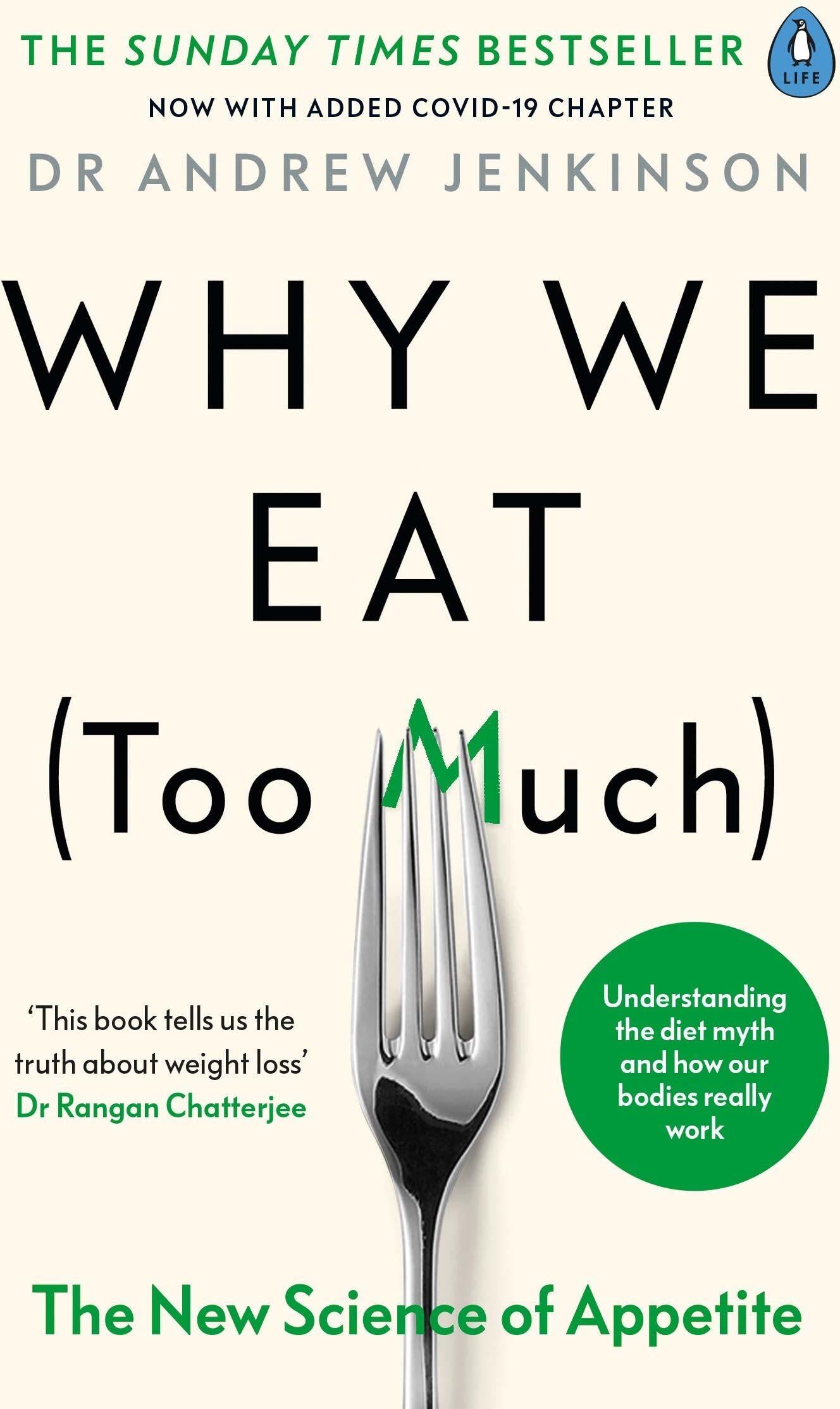
Fourth Estate Fat Chance, Why We Eat Too Much Science of Appetite 2 Books Collection SetFat Chance, Why We Eat Too Much Science of Appetite 2 Books Collection Set Fat Chance: The Hidden Truth About Sugar, Obesity and Disease Sugar is toxic, addictive and everywhere. So what chance do you have of living sugar-free? With busy lives and little time left for cooking we find ourselves relying on a diet of processed food. But this is what’s responsible for our chronically expanding waistlines, soaring levels of diabetes and a catalogue of diseases. Dr Robert Lustig reveals the truth about our sugar-laden food: Why conventional low-fat weight loss advice won’t work: not every calorie is the same, and skipping lunch doesn’t mean it’s ok to eat dessert Why too much sugar can cause serious illness even if you are not overweight How the food industry is filling our diets with hidden sugars – and which foods you must cut out to avoid them How governments are complacent about, and even complicit in, exacerbating our food debacle He will radically change the way you see your food and give you more than a fat chance of a healthier, happier and smarter life Why We Eat (Too Much): The New Science of Appetite by Dr Andrew Jenkinson We've all heard the golden rule: eat less, exercise more and you'll lose weight. But what if it isn't that simple? For over two decades, weight loss surgeon Dr Andrew Jenkinson has treated thousands of people who have become trapped in the endless cycle of dieting. Why We Eat (Too Much), combines case studies from his practice and the new science of metabolism to illuminate how our appetite really works. Debunking myths of about body and systematically explaining why dieting is counter-productive, this unflinching book investigates every aspect of nutrition: from the 'set weight point' that is unique to all of us, to good and bad fats, and from how genes impact our weight to how our hormones are affected after a diet ends. With a new chapter about the link between obesity and COVID-19, this incredible book will help you understand your body better than ever before.9,95 £*Shipping: 2,99 £Secure redirect to the provider
-
Penguin Why We Eat (Too Much) by Andrew Jenkinson The New Science of Appetite & Lasting Weight LossWhy We Eat (Too Much): The New Science of Appetite by Andrew Jenkinson exposes the real reasons behind weight gain—and why traditional dieting fails.Drawing on decades of clinical experience as a bariatric surgeon, Jenkinson reveals how hormones, metabolism, appetite signals, genetics, stress and the modern food environment influence our eating habits far more than willpower alone. The book debunks diet myths, explains how the body protects its “set point” weight, and offers science-backed strategies for achieving long-term health without extreme diets or guilt.Clear, compassionate and transformative, it’s a must-read for anyone interested in nutrition, weight management, metabolism, or evidence-based health advice.7,99 £*Shipping: 2,99 £Secure redirect to the provider
-
Dr Andrew Jenkinson & Dr Robert Lustig Why We Eat (Too Much) and Metabolical 2 Books Collection SetDescription. Titles in this Set:. Why We Eat (Too Much). Metabolical by Dr Robert Lustig. Condition: BRAND NEW. Format:Paperback. ISBN:9780678465387. Why We Eat (Too Much):. We've all heard the golden rule: eat less, exercise more and you'll lose weight. But what if it isn't that simple?. For over two decades, weight loss surgeon Dr Andrew Jenkinson has treated thousands of people who have become trapped in the endless cycle of dieting. Why We Eat (Too Much), combines case studies from his practice and the new science of metabolism to illuminate how our appetite really works.. Debunking myths of about body and systematically explaining why dieting is counter-productive, this unflinching book investigates every aspect of nutrition: from the 'set weight point' that is unique to all of us, to good and bad fats, and from how genes impact our weight to how our hormones are affected after a diet ends.. Metabolical:. Did you know that 62% of the food in our supermarkets is not only processed but 'ultra-processed' (ingredients from other foods are combined to make something 'new', often in colours that do not exist in nature) and that data shows that by eating this kind of food over time we are literally slowly poisoning ourselves?. In the hard-hitting, ground-breaking tradition of his NY Times bestseller FAT CHANCE, which revealed the dangers of sugar, Dr Robert Lustig persuasively presents a stark exposé of how our addiction to processed foods (aided and abetted by the food industry, big ag, big pharma, institutional medicine and the government) is behind the lethal increase in major non-communicable diseases, including diabetes, heart disease, fatty liver disease, cancer and dementia. We have come to accept that these chronic diseases are simply part of the 'natural ageing process', but Dr Lustig makes the case that this is simply not true.. Title. Why We Eat (Too Much) and Metabolical 2 Books Collection Set. Delivery. Content. Reviews12,90 £*Shipping: 2,99 £Secure redirect to the provider
-
Why We Eat Too Much & Downsizing 2 Books Collection Set by Dr Andrew Jenkinson - Non Fiction - PaperbackTitles in This Set:. Why We Eat Too Much: The New Science of Appetite. Downsizing: How I lost 8 stone Condition: BRAND NEW. Format: Paperback Overview:. This 2-book collection brings together a science-led examination of appetite with a candid, real-life weight-loss journey. Why We Eat Too Much: The New Science of Appetite by Dr Andrew Jenkinson pulls back the curtain on why dieting often fails, blending clinical case studies from his weight‑loss surgery practice with the latest research in metabolism, hormones, and genetics. It debunks common diet myths and explains how factors from fats to food environments shape what and how we crave, offering a clear, evidence-based map for healthier choices long after a diet ends. Downsizing: How I lost 8 stone chronicles Tom Watson’s personal battle with weight, tracing a path from a 22-stone reality in December 2014 to a healthier, more sustainable lifestyle. The combination of these two titles makes the set invaluable for readers seeking both understanding and motivation—science in one hand, personal victory in the other. This paperback pair is a thoughtful gift for curious readers and anyone aiming to rethink their relationship with food. What Makes This Collection Special:. Two distinct voices illuminate the same challenge from complementary angles. The science-first perspective of Why We Eat Too Much explains the mechanics behind appetite, cravings, and dietary response, equipping readers with practical, evidence-based strategies. Downsizing provides an intimate, step-by-step memoir of transformation, showing how sustained lifestyle changes translate into real health gains. Together, they offer a complete reading journey: learn why we eat the way we do, then follow a real-world path to healthier habits. The pairing is especially appealing for curious readers, students of nutrition, health-conscious parents, and anyone seeking credible guidance backed by lived experience. It’s also a compelling gift for BookTok readers and non-fiction enthusiasts who love a hopeful, results-focused narrative. Books Included in This Collection:. Why We Eat Too Much: The New Science of Appetite. This book dissects appetite with the authority of a weight‑loss surgeon and the clarity of a thoughtful teacher. Dr Andrew Jenkinson draws from long‑term clinical experience to explain how metabolism, hormones, genetics, and environmental cues interact to drive hunger. He challenges dieting myths and offers a grounded, practical framework for healthier eating without sacrificing enjoyment. Expect accessible explanations, concrete examples, and a break‑down of why some foods trigger stronger cravings. It’s a clarifying, empowering read for anyone trying to understand their own eating patterns and to make sustainable changes rooted in science. Downsizing: How I lost 8 stone. Tom Watson shares a compelling, personal narrative of weight gain and the hard-won steps that led to weight loss. Beginning in his twenties, his appetite for...23,99 £*Shipping: 2,99 £Secure redirect to the provider



-
Why don't we eat raw meat, but we eat raw minced meat?
We don't eat raw meat because it can contain harmful bacteria and parasites that can cause foodborne illnesses. However, we eat raw minced meat because the grinding process exposes more surface area of the meat to heat and kills off potential pathogens. Additionally, minced meat is often consumed fresh, reducing the time for bacteria to multiply compared to larger cuts of meat. **
-
Why do we sleep when we can also eat?
Sleep and eating serve different physiological functions in the body. While eating provides the necessary nutrients and energy for our bodies to function, sleep is essential for rest and recovery. During sleep, our bodies repair tissues, consolidate memories, and regulate hormones. Both eating and sleeping are crucial for overall health and well-being, and striking a balance between the two is important for maintaining optimal functioning. **
-
Do we ask "why" too often?
Asking "why" can be a valuable tool for gaining understanding and insight into a situation. However, it is possible to ask "why" too often, especially if it leads to overthinking or dwelling on negative aspects. It is important to strike a balance between seeking clarification and accepting things as they are. Sometimes, focusing on the present moment and finding solutions can be more beneficial than constantly questioning the reasons behind every occurrence. **
-
Why do we not get tired when we don't eat, and get tired when we eat a lot?
When we don't eat, our body starts to break down stored energy reserves like glycogen and fat to provide fuel for our cells. This process helps maintain our energy levels and prevents us from feeling tired. On the other hand, when we eat a lot, especially foods high in carbohydrates and sugars, our body has to work harder to digest and process the excess food, leading to a temporary spike in blood sugar levels followed by a crash. This can result in feelings of fatigue and lethargy as our body tries to regulate and balance the energy intake. **


Why did you eat too fast?
I ate too fast because I was very hungry and didn't take the time to properly chew and savor my food. I may have also been in a rush or distracted, causing me to eat quickly without paying attention to my body's cues of fullness. Additionally, I may have been in a social situation where I felt pressured to finish my meal quickly. **
Why do we actually eat warm food?
We eat warm food for several reasons. Firstly, warm food is more palatable and enjoyable to eat, as it enhances the flavors and aromas of the food. Additionally, warm food can be easier to digest and can help to soothe the digestive system. It also provides a sense of comfort and satisfaction, especially during colder weather. Finally, warm food can help to regulate body temperature and provide a feeling of warmth and nourishment. **
Top-Angebote
Products related to Why-We-Eat-Too:
-
Penguin Why We Eat (Too Much) and Metabolical 2 Books Collection SetWhy We Eat (Too Much) by Dr Andrew Jenkinson We've all heard the golden rule: eat less, exercise more and you'll lose weight. But what if it isn't that simple? For over two decades, weight loss surgeon Dr Andrew Jenkinson has treated thousands of people who have become trapped in the endless cycle of dieting. Why We Eat (Too Much), combines case studies from his practice and the new science of metabolism to illuminate how our appetite really works. Debunking myths of about body and systematically explaining why dieting is counter-productive, this unflinching book investigates every aspect of nutrition: from the 'set weight point' that is unique to all of us, to good and bad fats, and from how genes impact our weight to how our hormones are affected after a diet ends. Metabolical by Dr Robert Lustig Did you know that 62% of the food in our supermarkets is not only processed but 'ultra-processed' (ingredients from other foods are combined to make something 'new', often in colours that do not exist in nature) and that data shows that by eating this kind of food over time we are literally slowly poisoning ourselves? In the hard-hitting, ground-breaking tradition of his NY Times bestseller FAT CHANCE, which revealed the dangers of sugar, Dr Robert Lustig persuasively presents a stark exposé of how our addiction to processed foods (aided and abetted by the food industry, big ag, big pharma, institutional medicine and the government) is behind the lethal increase in major non-communicable diseases, including diabetes, heart disease, fatty liver disease, cancer and dementia. We have come to accept that these chronic diseases are simply part of the 'natural ageing process', but Dr Lustig makes the case that this is simply not true.12,90 £*Shipping: 2,99 £Secure redirect to the provider
-
Can I Eat That Jenefer Roberts, Why We Eat Too Much Andrew Jenkinson 2 Books SetDescription:. Condition: BRAND NEW. Format: Paperback. Can I Eat That?: A nutritional guide through the dietary maze for type 2 diabetics0... Written in a chatty and non-medical style, Can I Eat That? guides people through the initial and sometimes frightening stages which follow diagnosis of Type 2 diabetes. It contains an explanation of the nutritional factors behind the disease, and the nutritional factors in foods that are tolerated; and brings these factors together in advice on the choice - and the cooking - of beneficial and tasty foods. The book also contains over 100 various recipes for healthy, nutritious and above all enjoyable meals suitable for people with Type 2 diabetes.. Why We Eat (Too Much): The New Science of Appetite. We've all heard the golden rule: eat less, exercise more and you'll lose weight. But what if it isn't that simple?For over two decades, weight loss surgeon Dr Andrew Jenkinson has treated thousands of people who have become trapped in the endless cycle of dieting. Why We Eat (Too Much), combines case studies from his practice and the new science of metabolism to illuminate how our appetite really works.Debunking myths of about body and systematically explaining why dieting is counter-productive, this unflinching book investigates every aspect of nutrition: from the 'set weight point' that is unique to all of us, to good and bad fats, and from how genes impact our weight to how our hormones are affected after a diet ends.. Title. Can I Eat That Jenefer Roberts, Why We Eat Too Much Andrew Jenkinson 2 Books Set. Delivery. Content. Reviews11,99 £*Shipping: 2,99 £Secure redirect to the provider
-
Fourth Estate Fat Chance, Why We Eat Too Much Science of Appetite 2 Books Collection SetFat Chance, Why We Eat Too Much Science of Appetite 2 Books Collection Set Fat Chance: The Hidden Truth About Sugar, Obesity and Disease Sugar is toxic, addictive and everywhere. So what chance do you have of living sugar-free? With busy lives and little time left for cooking we find ourselves relying on a diet of processed food. But this is what’s responsible for our chronically expanding waistlines, soaring levels of diabetes and a catalogue of diseases. Dr Robert Lustig reveals the truth about our sugar-laden food: Why conventional low-fat weight loss advice won’t work: not every calorie is the same, and skipping lunch doesn’t mean it’s ok to eat dessert Why too much sugar can cause serious illness even if you are not overweight How the food industry is filling our diets with hidden sugars – and which foods you must cut out to avoid them How governments are complacent about, and even complicit in, exacerbating our food debacle He will radically change the way you see your food and give you more than a fat chance of a healthier, happier and smarter life Why We Eat (Too Much): The New Science of Appetite by Dr Andrew Jenkinson We've all heard the golden rule: eat less, exercise more and you'll lose weight. But what if it isn't that simple? For over two decades, weight loss surgeon Dr Andrew Jenkinson has treated thousands of people who have become trapped in the endless cycle of dieting. Why We Eat (Too Much), combines case studies from his practice and the new science of metabolism to illuminate how our appetite really works. Debunking myths of about body and systematically explaining why dieting is counter-productive, this unflinching book investigates every aspect of nutrition: from the 'set weight point' that is unique to all of us, to good and bad fats, and from how genes impact our weight to how our hormones are affected after a diet ends. With a new chapter about the link between obesity and COVID-19, this incredible book will help you understand your body better than ever before.9,95 £*Shipping: 2,99 £Secure redirect to the provider
-
Penguin Why We Eat (Too Much) by Andrew Jenkinson The New Science of Appetite & Lasting Weight LossWhy We Eat (Too Much): The New Science of Appetite by Andrew Jenkinson exposes the real reasons behind weight gain—and why traditional dieting fails.Drawing on decades of clinical experience as a bariatric surgeon, Jenkinson reveals how hormones, metabolism, appetite signals, genetics, stress and the modern food environment influence our eating habits far more than willpower alone. The book debunks diet myths, explains how the body protects its “set point” weight, and offers science-backed strategies for achieving long-term health without extreme diets or guilt.Clear, compassionate and transformative, it’s a must-read for anyone interested in nutrition, weight management, metabolism, or evidence-based health advice.7,99 £*Shipping: 2,99 £Secure redirect to the provider
-
Why should we eat fish?
Fish is a great source of lean protein, essential nutrients like omega-3 fatty acids, vitamins, and minerals. Omega-3 fatty acids are important for brain function, heart health, and reducing inflammation in the body. Eating fish regularly has been linked to a lower risk of heart disease, stroke, and certain chronic conditions. Additionally, fish is a versatile and delicious protein option that can be easily incorporated into a balanced diet. **
-
Why do we eat animals?
We eat animals for a variety of reasons, including cultural traditions, personal preferences, and nutritional needs. For many people, consuming animal products provides essential nutrients such as protein, iron, and B vitamins. Additionally, some individuals may choose to eat animals for the taste and texture of meat, while others may do so as part of their cultural or religious practices. Ultimately, the decision to eat animals is a personal choice influenced by a combination of factors. **
-
Why don't we eat raw meat, but we eat raw minced meat?
We don't eat raw meat because it can contain harmful bacteria and parasites that can cause foodborne illnesses. However, we eat raw minced meat because the grinding process exposes more surface area of the meat to heat and kills off potential pathogens. Additionally, minced meat is often consumed fresh, reducing the time for bacteria to multiply compared to larger cuts of meat. **
-
Why do we sleep when we can also eat?
Sleep and eating serve different physiological functions in the body. While eating provides the necessary nutrients and energy for our bodies to function, sleep is essential for rest and recovery. During sleep, our bodies repair tissues, consolidate memories, and regulate hormones. Both eating and sleeping are crucial for overall health and well-being, and striking a balance between the two is important for maintaining optimal functioning. **
Similar search terms for Why-We-Eat-Too
-
Dr Andrew Jenkinson & Dr Robert Lustig Why We Eat (Too Much) and Metabolical 2 Books Collection SetDescription. Titles in this Set:. Why We Eat (Too Much). Metabolical by Dr Robert Lustig. Condition: BRAND NEW. Format:Paperback. ISBN:9780678465387. Why We Eat (Too Much):. We've all heard the golden rule: eat less, exercise more and you'll lose weight. But what if it isn't that simple?. For over two decades, weight loss surgeon Dr Andrew Jenkinson has treated thousands of people who have become trapped in the endless cycle of dieting. Why We Eat (Too Much), combines case studies from his practice and the new science of metabolism to illuminate how our appetite really works.. Debunking myths of about body and systematically explaining why dieting is counter-productive, this unflinching book investigates every aspect of nutrition: from the 'set weight point' that is unique to all of us, to good and bad fats, and from how genes impact our weight to how our hormones are affected after a diet ends.. Metabolical:. Did you know that 62% of the food in our supermarkets is not only processed but 'ultra-processed' (ingredients from other foods are combined to make something 'new', often in colours that do not exist in nature) and that data shows that by eating this kind of food over time we are literally slowly poisoning ourselves?. In the hard-hitting, ground-breaking tradition of his NY Times bestseller FAT CHANCE, which revealed the dangers of sugar, Dr Robert Lustig persuasively presents a stark exposé of how our addiction to processed foods (aided and abetted by the food industry, big ag, big pharma, institutional medicine and the government) is behind the lethal increase in major non-communicable diseases, including diabetes, heart disease, fatty liver disease, cancer and dementia. We have come to accept that these chronic diseases are simply part of the 'natural ageing process', but Dr Lustig makes the case that this is simply not true.. Title. Why We Eat (Too Much) and Metabolical 2 Books Collection Set. Delivery. Content. Reviews12,90 £*Shipping: 2,99 £Secure redirect to the provider
-
Why We Eat Too Much & Downsizing 2 Books Collection Set by Dr Andrew Jenkinson - Non Fiction - PaperbackTitles in This Set:. Why We Eat Too Much: The New Science of Appetite. Downsizing: How I lost 8 stone Condition: BRAND NEW. Format: Paperback Overview:. This 2-book collection brings together a science-led examination of appetite with a candid, real-life weight-loss journey. Why We Eat Too Much: The New Science of Appetite by Dr Andrew Jenkinson pulls back the curtain on why dieting often fails, blending clinical case studies from his weight‑loss surgery practice with the latest research in metabolism, hormones, and genetics. It debunks common diet myths and explains how factors from fats to food environments shape what and how we crave, offering a clear, evidence-based map for healthier choices long after a diet ends. Downsizing: How I lost 8 stone chronicles Tom Watson’s personal battle with weight, tracing a path from a 22-stone reality in December 2014 to a healthier, more sustainable lifestyle. The combination of these two titles makes the set invaluable for readers seeking both understanding and motivation—science in one hand, personal victory in the other. This paperback pair is a thoughtful gift for curious readers and anyone aiming to rethink their relationship with food. What Makes This Collection Special:. Two distinct voices illuminate the same challenge from complementary angles. The science-first perspective of Why We Eat Too Much explains the mechanics behind appetite, cravings, and dietary response, equipping readers with practical, evidence-based strategies. Downsizing provides an intimate, step-by-step memoir of transformation, showing how sustained lifestyle changes translate into real health gains. Together, they offer a complete reading journey: learn why we eat the way we do, then follow a real-world path to healthier habits. The pairing is especially appealing for curious readers, students of nutrition, health-conscious parents, and anyone seeking credible guidance backed by lived experience. It’s also a compelling gift for BookTok readers and non-fiction enthusiasts who love a hopeful, results-focused narrative. Books Included in This Collection:. Why We Eat Too Much: The New Science of Appetite. This book dissects appetite with the authority of a weight‑loss surgeon and the clarity of a thoughtful teacher. Dr Andrew Jenkinson draws from long‑term clinical experience to explain how metabolism, hormones, genetics, and environmental cues interact to drive hunger. He challenges dieting myths and offers a grounded, practical framework for healthier eating without sacrificing enjoyment. Expect accessible explanations, concrete examples, and a break‑down of why some foods trigger stronger cravings. It’s a clarifying, empowering read for anyone trying to understand their own eating patterns and to make sustainable changes rooted in science. Downsizing: How I lost 8 stone. Tom Watson shares a compelling, personal narrative of weight gain and the hard-won steps that led to weight loss. Beginning in his twenties, his appetite for...23,99 £*Shipping: 2,99 £Secure redirect to the provider
-
Way We Eat Now Bee Wilson,Clean Eating Cookbook,Diet,Why We Eat 3 Books SetDescription. The Way We Eat Now: Fortnum & Mason Food Book of the Year 2020 ..... A riveting exploration of the hidden forces behind what we eat, The Way We Eat Now explains how modern food has transformed our lives and our world. To re-establish eating as something that gives us both joy and health, we need to find out where we are right now, how we got here and where we're going..... The Clean Eating Cookbook & Diet: Over 100 Healthy Whole Food Recipes & Meal Plans. Eliminate Fad Diets and Embrace the Sustainable Clean Eating Lifestyle Clean Eating is a positive lifestyle change that works. The Clean Eating Cookbook & Diet will change the relationship you have with food. Unlike a standard diet that you follow to reach a short-term goal, Clean Eating is a common sense strategy to achieve permanent and lasting good health, without depriving yourself of flavorful food, or feeling guilty after every meal. With a Clean Eating plan, you will understand which foods will be the best fuel your own body, and learn how the right kinds of food will allow you to feel more energetic than ever before. ..... Why We Eat (Too Much): The New Science of Appetite.... We've all heard the golden rule: eat less, exercise more and you'll lose weight. But what if it isn't that simple?For over two decades, weight loss surgeon Dr Andrew Jenkinson has treated thousands of people who have become trapped in the endless cycle of dieting. Why We Eat (Too Much), combines case studies from his practice and the new science of metabolism to illuminate how our appetite really works.Debunking myths of about body and systematically explaining why dieting is counter-productive, this unflinching book investigates every aspect of nutrition: from the 'set weight point' that is unique to all of us, to good and bad fats, and from how genes impact our weight to how our hormones are affected after a diet ends.. Title. Way We Eat Now Bee Wilson,Clean Eating Cookbook,Diet,Why We Eat 3 Books Set. Delivery. Content. Reviews18,99 £*Shipping: 2,99 £Secure redirect to the provider
-
Dr. Robert Lustig & Dr Andrew Jenkinson Fat Chance, Why We Eat Too Much Science of Appetite 2 Books Collection SetDescription. Titles in the Set:. Fat Chance. Why We Eat Too Much Science of Appetite. Condition: BRAND NEW. Format: Paperback. ISBN : 9780678466988. Fat Chance:. Sugar is toxic, addictive and everywhere. So what chance do you have of living sugar-free?. With busy lives and little time left for cooking we find ourselves relying on a diet of processed food. But this is what’s responsible for our chronically expanding waistlines, soaring levels of diabetes and a catalogue of diseases.. Dr Robert Lustig reveals the truth about our sugar-laden food:. Why conventional low-fat weight loss advice won’t work: not every calorie is the same, and skipping lunch doesn’t mean it’s ok to eat dessert. Why too much sugar can cause serious illness even if you are not overweight. Why We Eat (Too Much):. We've all heard the golden rule: eat less, exercise more and you'll lose weight. But what if it isn't that simple?. For over two decades, weight loss surgeon Dr Andrew Jenkinson has treated thousands of people who have become trapped in the endless cycle of dieting. Why We Eat (Too Much), combines case studies from his practice and the new science of metabolism to illuminate how our appetite really works.. Debunking myths of about body and systematically explaining why dieting is counter-productive, this unflinching book investigates every aspect of nutrition: from the 'set weight point' that is unique to all of us, to good and bad fats, and from how genes impact our weight to how our hormones are affected after a diet ends.. Title. Fat Chance, Why We Eat Too Much Science of Appetite 2 Books Collection Set. Delivery. Content. Reviews10,99 £*Shipping: 2,99 £Secure redirect to the provider
-
Do we ask "why" too often?
Asking "why" can be a valuable tool for gaining understanding and insight into a situation. However, it is possible to ask "why" too often, especially if it leads to overthinking or dwelling on negative aspects. It is important to strike a balance between seeking clarification and accepting things as they are. Sometimes, focusing on the present moment and finding solutions can be more beneficial than constantly questioning the reasons behind every occurrence. **
-
Why do we not get tired when we don't eat, and get tired when we eat a lot?
When we don't eat, our body starts to break down stored energy reserves like glycogen and fat to provide fuel for our cells. This process helps maintain our energy levels and prevents us from feeling tired. On the other hand, when we eat a lot, especially foods high in carbohydrates and sugars, our body has to work harder to digest and process the excess food, leading to a temporary spike in blood sugar levels followed by a crash. This can result in feelings of fatigue and lethargy as our body tries to regulate and balance the energy intake. **
-
Why did you eat too fast?
I ate too fast because I was very hungry and didn't take the time to properly chew and savor my food. I may have also been in a rush or distracted, causing me to eat quickly without paying attention to my body's cues of fullness. Additionally, I may have been in a social situation where I felt pressured to finish my meal quickly. **
-
Why do we actually eat warm food?
We eat warm food for several reasons. Firstly, warm food is more palatable and enjoyable to eat, as it enhances the flavors and aromas of the food. Additionally, warm food can be easier to digest and can help to soothe the digestive system. It also provides a sense of comfort and satisfaction, especially during colder weather. Finally, warm food can help to regulate body temperature and provide a feeling of warmth and nourishment. **
* All prices are inclusive of VAT and, if applicable, plus shipping costs. The offer information is based on the details provided by the respective shop and is updated through automated processes. Real-time updates do not occur, so deviations can occur in individual cases. ** Note: Parts of this content were created by AI.